
An Autism Support Program is a structured and individualized approach designed to help children with Autism Spectrum Disorder (ASD) develop essential life skills, improve communication, and achieve greater independence. Every child with autism is unique, and therefore, a personalized intervention plan is critical to address their specific strengths and challenges.
Our program focuses on evidence-based strategies and child-centered learning methods to ensure meaningful progress in key developmental areas. With a combination of professional guidance, structured activities, and parental involvement, we aim to create a supportive environment where children can thrive.
Individualised Intervention Programs for Autism
At the core of our Autism Support Program is the concept of individualised intervention. No two children experience autism in the same way, which is why a “one-size-fits-all” approach does not work.
Each child undergoes a detailed assessment to understand their :
- Cognitive abilities
- Communication level
- Social behavior
- Sensory needs
- Emotional responses
Based on this evaluation, a customized therapy plan is created. This ensures that interventions are targeted, measurable, and aligned with the child’s developmental goals.
Individualised programs help in :
- Faster skill acquisition
- Better engagement in learning
- Reduced frustration and behavioral challenges
- Improved long-term outcomes
Communication is one of the primary areas where children with autism often need support. Some children may be non-verbal, while others may struggle with expressive or receptive language.
Our program emphasizes communication development through structured and interactive techniques such as:
- Speech therapy sessions
- Visual aids like picture exchange systems (PECS)
- Use of gestures and alternative communication methods
- Interactive play-based learning
We focus on helping children:
- Express their needs and emotions
- Understand instructions
- Improve vocabulary and sentence formation
- Develop functional communication for daily life
Effective communication reduces frustration and builds confidence, enabling children to interact more comfortably with others.
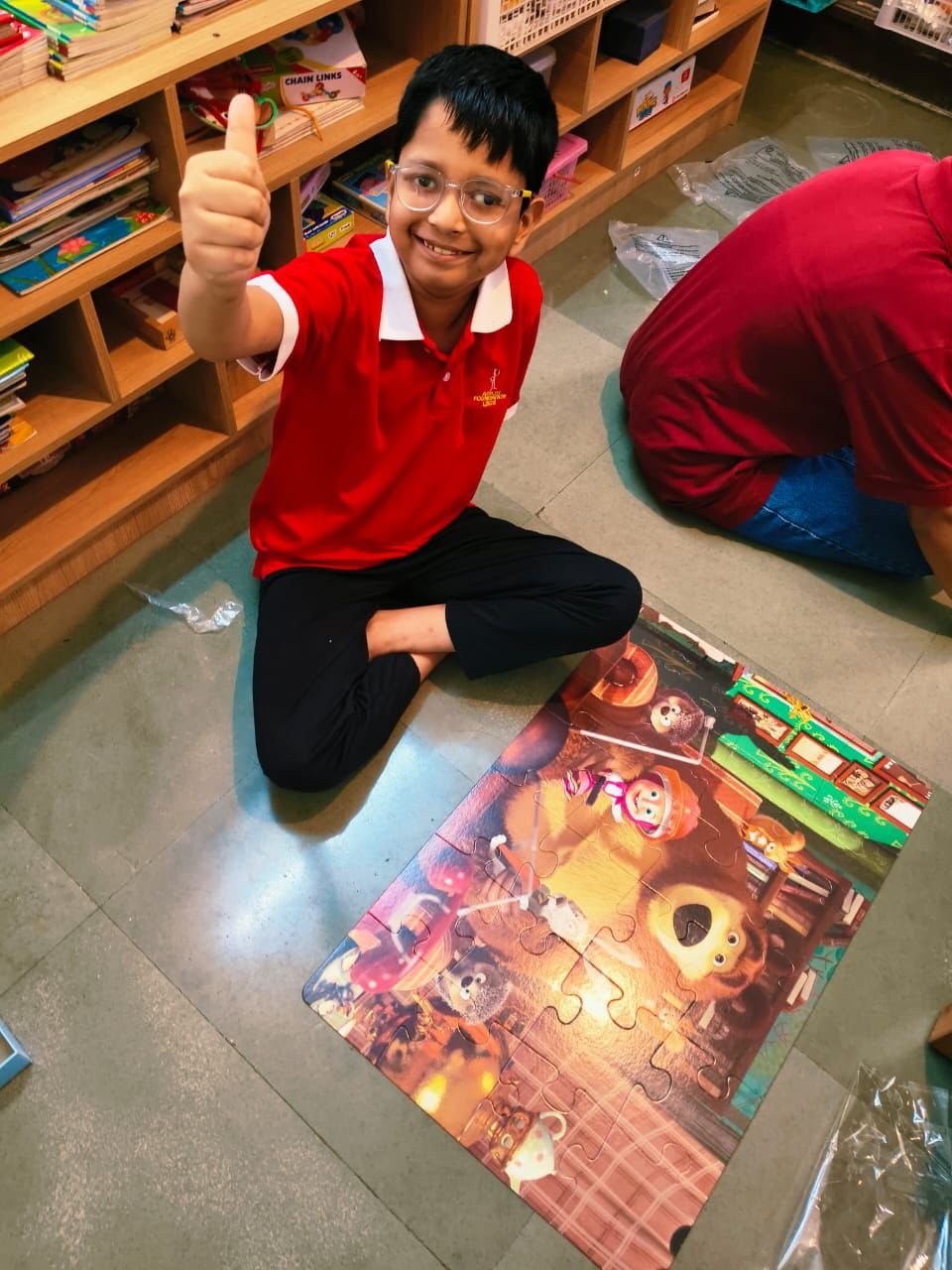

Children with Autism Spectrum Disorder often find social interactions challenging. They may struggle with eye contact, understanding social cues, or engaging in conversations.
Our Autism Support Program includes targeted strategies to improve social interaction skills, such as:
- Role-playing activities
- Group sessions with peers
- Social stories and modeling
- Guided play sessions
These activities help children learn:
- How to initiate and maintain conversations
- Understanding emotions and facial expressions
- Sharing and turn-taking
- Building friendships
Improving social skills not only enhances relationships but also boosts self-esteem and emotional well-being.
Behavioral challenges are common in children with autism and may include tantrums, repetitive behaviors, or difficulty adapting to changes.
Our program incorporates positive behaviour management techniques that are structured, consistent, and child-friendly. These include:
- Applied Behavior Analysis (ABA) principles
- Positive reinforcement strategies
- Functional behavior assessments
- Structured routines and visual schedules
The goal is to:
- Reduce challenging behaviors
- Encourage positive actions
- Improve attention and focus
- Build emotional regulation skills
By understanding the root cause of behaviors, we create strategies that are both effective and compassionate.
Children with autism benefit greatly from predictable environments and structured learning methods. Our program provides structured learning support to ensure clarity and consistency.
This includes:
- Clearly defined routines
- Step-by-step task breakdowns
- Visual schedules and cues
- Organized learning environments
Structured learning helps children:
- Understand expectations
- Reduce anxiety
- Stay focused on tasks
- Develop problem-solving skills
It also improves their ability to transition between activities and adapt to new situations more effectively.
Parents play a crucial role in a child’s development, especially in the case of autism. Our Autism Support Program includes parent guidance programs to empower families with the right tools and knowledge.
We provide:
- Training sessions on behavior management
- Strategies for communication development at home
- Emotional support and counseling
- Practical tips for daily routines
When parents are actively involved, children show faster and more consistent progress. Our aim is to create a strong support system that extends beyond therapy sessions into everyday life.

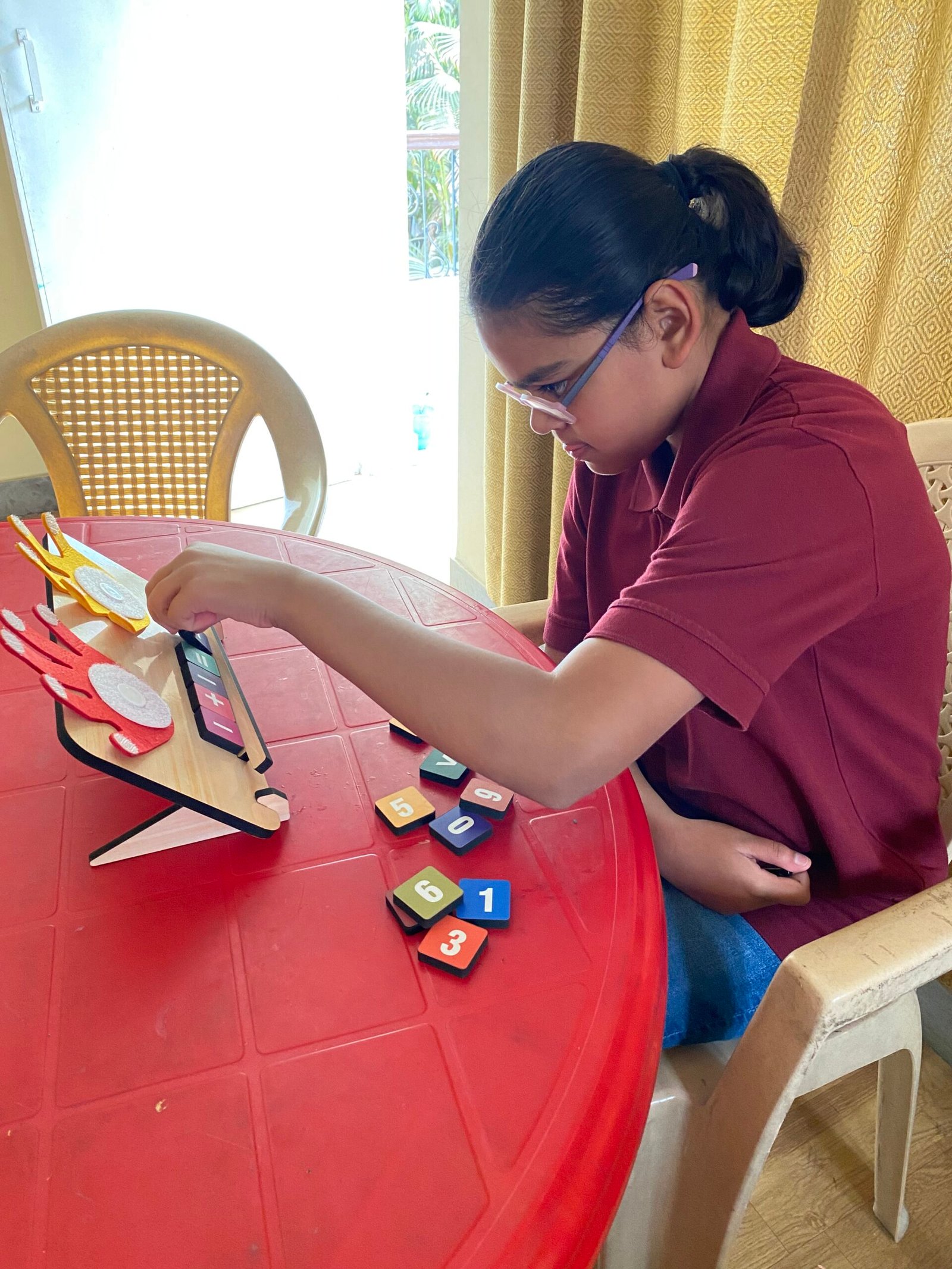
One of the primary goals of our Autism Support Program is to help children become more independent in their daily lives. We focus on teaching functional life skills that are essential for long-term success.
These include:
- Self-care activities (dressing, eating, hygiene)
- Basic problem-solving skills
- Following instructions
- Time management and routine building
By gradually developing these skills, children gain confidence and the ability to function more independently in various environments such as home, school, and community.
What sets our program apart is our personalized and holistic approach. We understand that autism is a spectrum, and each child’s journey is different.
Our approach is:
- Child-centered and flexible
- Goal-oriented and measurable
- Based on proven therapeutic methods
- Focused on long-term development
We continuously monitor progress and adjust intervention strategies to ensure optimal outcomes. Our team works closely with families to create a nurturing and supportive environment for the child.
Choosing the right Autism Support Program can make a significant difference in a child’s development. Our program offers:
- Customized therapy plans
- Experienced professionals
- Evidence-based techniques
- Family-centered support
- Focus on independence and life skills
We are committed to helping children with autism unlock their full potential and lead fulfilling lives.
